

Table of Contents
- Introduction to Cotton Batik Fabric
- Techniques That Transform the Fabric
- Why I Love Sewing with Cotton Batik
- How I Use Soft & Fuse to Save Time and Add Detail
- The Bottom Line
- Frequently Asked Questions
Introduction to Cotton Batik Fabric
There’s something about cotton batik fabric that instantly draws me in. Maybe it’s the rich colors or the unique patterns that never repeat. Every time I hold a piece in my hands, it feels like I’m about to begin something special. Over the years, this fabric has become a favorite of mine in both personal projects and in the sewing classes I teach.
I’ve been in the fabric industry for over 40 years and have run Zoelee’s Fabrics & Sewing School in the Kansas City area for most of that time. I’ve seen many fabric trends come and go, but cotton batik has remained a staple. Its bold, handmade charm and reliable structure make it one of the most satisfying materials to work with.
When my students first try it, they’re often surprised at how easy it is to handle. Whether we’re working on a quilt, a stylish bag, or even a jacket, cotton batik always delivers a beautiful, lasting result. I’ve introduced it to sewers of all ages and experience levels, and every one of them ends up wanting more.
Techniques That Transform the Fabric
What makes batik fabric truly special is the technique used to make it. I always explain this to my students so they understand and respect the process behind the patterns. Batik involves using wax to create designs, then dyeing the fabric. The wax resists the dye, keeping the design visible. After the wax is removed, what’s left is an original, hand-dyed piece that tells its own story.
This traditional method creates incredible color depth and texture that just can’t be recreated with printed fabrics. I love how the slight irregularities give each piece a natural, one-of-a-kind feel. That’s why I often recommend it when we’re doing layered projects or working on appliqué techniques.
In my classroom, I encourage students to take their time cutting and arranging batik pieces. It’s the perfect fabric for practicing layout planning and precision. It holds its shape well and doesn’t fray as much, making it perfect for both beginners and advanced learners.
We focus a lot on how colors interact and how to make the most of the patterns. There’s an energy that comes from working with something that’s been made by hand. It helps my students feel more connected to their work, and it reminds me why I started sewing in the first place.
Why I Love Sewing with Cotton Batik
Over the years, I’ve worked with all kinds of materials. But cotton batik continues to impress me with its versatility. I use it for everything from quilts and home accents to jackets and purses. It holds up well through frequent handling and washing. It’s also breathable, which is great for clothing projects.
When I teach classes using this fabric, students often say they feel more confident in their work. The vibrant colors and bold designs help them create pieces that stand out, even if they’re new to sewing. I’ve seen so many students beam with pride after finishing their first project with batik.
The tight weave of the cotton makes it ideal for both hand stitching and machine sewing. And because each piece is unique, even simple projects feel artistic. It doesn’t stretch or distort easily, which makes it a perfect teaching tool.
I also love how easy it is to pair batik with other fabrics. It works beautifully as a centerpiece or as a background. When you add it to a project, it lifts the whole design. It brings warmth and personality that’s hard to match.
How I Use Soft & Fuse to Save Time and Add Detail
One of my favorite products to use with batik fabric is Soft & Fuse. It’s a lightweight fusible web that makes appliqué work cleaner, faster, and more enjoyable. I introduce it in many of my advanced classes because it allows students to add layers and textures without the mess of glue or the need for pinning.
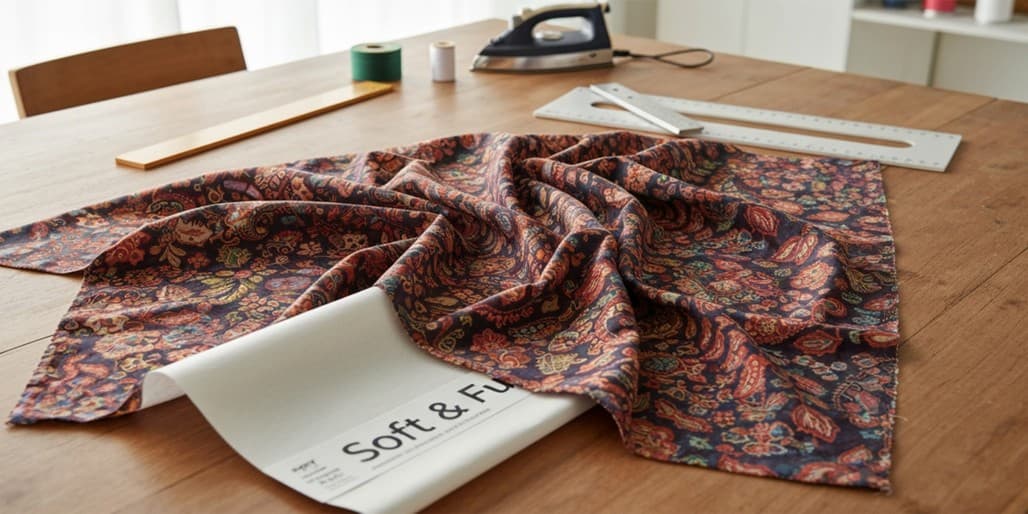
Here’s how I usually work with it. I apply Soft & Fuse to the back of the batik fabric, then cut out shapes or patterns. After that, I can iron the fabric directly onto a project. It bonds instantly and stays in place, which helps avoid bunching or misaligned layers. My students love how it speeds up the process while still giving professional-looking results.
Because cotton batik is a little thicker than regular cotton, I’ve found that Soft & Fuse offers the perfect grip. It doesn’t make the fabric too stiff, which is important when we’re working on pieces that need to stay flexible like garments or quilt blocks.
I enjoy showing students how to build up a design by layering different fabrics using Soft & Fuse. It adds depth and creativity to their projects and helps them think beyond just cutting and sewing. They begin to understand fabric as a tool for storytelling, and that’s when real growth happens.
The Bottom Line
Batik fabric has been a constant in my sewing room for decades. It’s one of the first fabrics I reach for when I want to create something bold, long-lasting, and beautiful. I’ve seen how it boosts confidence in beginners and sparks creativity in seasoned sewers. Its hand-dyed charm, durability, and vibrant colors make it a joy to work with.
Adding Soft & Fuse into the mix has opened even more creative possibilities. It allows my students and me to work faster and smarter without losing the handmade feel of our work. Together, cotton batik and Soft & Fuse make every project more dynamic, more personal, and more fun.
Teaching sewing is not just about stitches and seams. For me, it’s about inspiring people to make something they’re proud of. That’s been my mission at Zoelee’s Fabrics & Sewing School for over 40 years. With tools like batik fabric and Soft & Fuse, I get to see that inspiration take shape every single day.
Frequently Asked Questions
- What can I make with batik fabric?
I’ve used it for quilts, clothing, table runners, wall hangings, and handbags. It’s incredibly versatile and holds up beautifully over time. - How do I use Soft & Fuse with batik fabric?
Just apply it to the back of your fabric, cut your shape, and iron it onto your base. It bonds quickly and securely, making your appliqué process smoother. - Do I need to wash batik fabric before using it?
Yes, I always recommend prewashing to remove any excess dye and reduce shrinkage. It helps you get more accurate results in your projects. - Is batik fabric hard to sew with?
Not at all. In fact, I find it easier than many printed fabrics. It’s stable, doesn’t stretch, and works well for both machine and hand stitching. - Can I learn to sew with batik at your school?
Absolutely. At Zoelee’s Fabrics & Sewing School, I offer classes that guide you through the process of sewing with batik fabric and using Soft & Fuse for amazing results.