

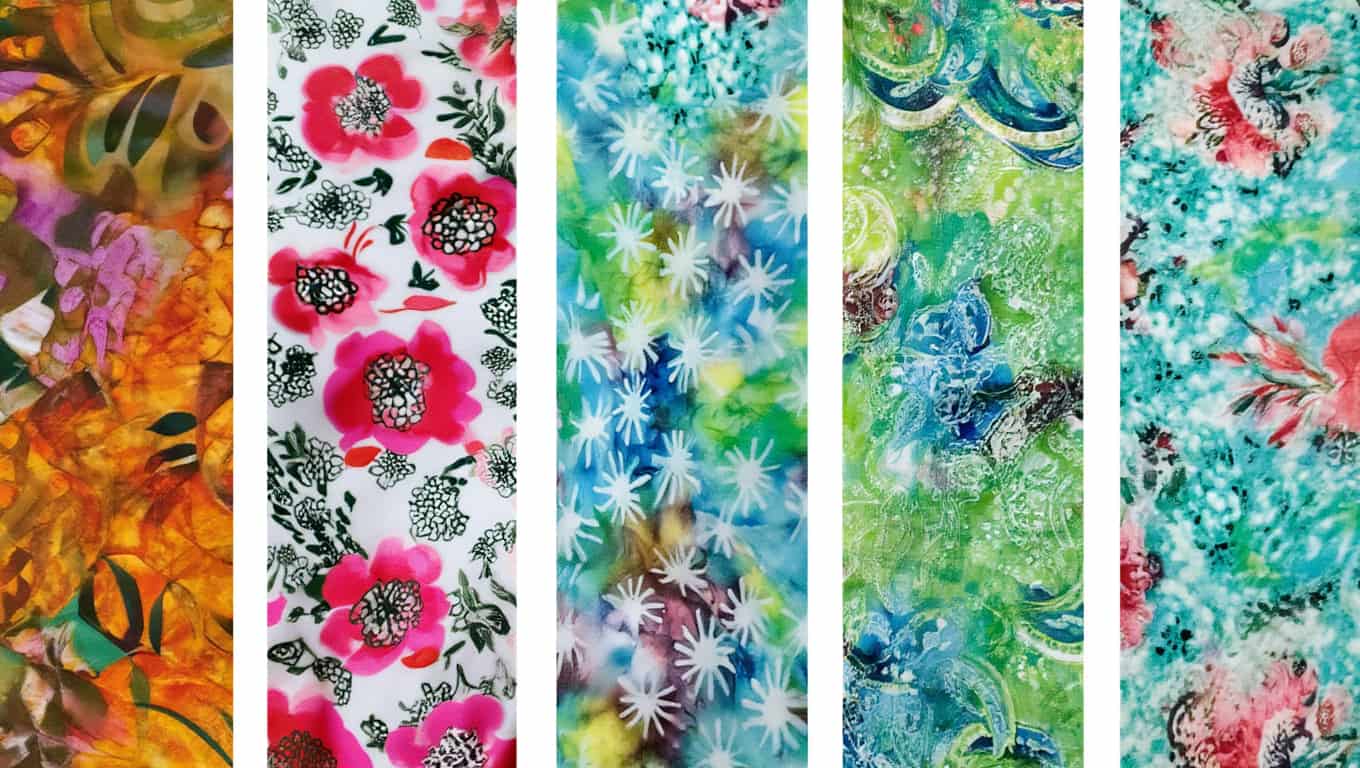
We often see creativity stop before the first cut. Many makers feel excited, then pause. They doubt their fabric choice. They question their skills. Interest grows around the University of Missouri fabric because it reflects learning and quality. Yet many still feel unsure. Fabric alone does not solve the problem. Clear guidance does.
We believe learning works best when fabric and instruction meet. We explain how the University of Missouri fabric traditions shape textile quality and use. We pair that knowledge with cotton batik fabric to build confidence. This approach removes guessing. It replaces doubt with understanding. Sewing becomes clear and manageable.
Table of Content
- Fabric Knowledge Builds Sewing Confidence
- Sewing Works Best When Learning Has Context
- Tradition Strengthens Modern Learning
- Preparation Prevents Common Sewing Problems
- Cotton Batik Needs Careful Handling
- Structured Teaching Creates Real Progress
- Tools Play a Bigger Role Than Expected
- Guided Practice Builds Strong Habits
- Learning Improves in Shared Spaces
- Our Teaching Philosophy
- Results We See From Integrated Learning
- Core Principles We Teach
- Experience Shapes Better Instruction
- Growth Does Not Stop After One Class
- A Clear Way Forward
Fabric Knowledge Builds Sewing Confidence
We treat fabric as the first lesson. Every textile behaves in a specific way. Weight, weave, and finish all matter. Without guidance, these details confuse beginners. With education, they become tools. Knowledge helps makers choose wisely. Confidence grows with each informed decision.
Sewing Works Best When Learning Has Context
We teach sewing as a complete process. Fabric choice affects every step. Tools support the fabric. Technique follows material behavior. Nothing works in isolation. This clear connection helps learners act with purpose. Sewing feels controlled and repeatable.
Tradition Strengthens Modern Learning
We respect textile traditions because they teach proven methods. Academic and historical influences guide fabric standards. These ideas shape how fabrics perform. When learners understand tradition, they sew with intention. Strong foundations support faster skill growth.
Preparation Prevents Common Sewing Problems
We stress preparation before sewing starts. Grain direction matters. Cutting methods matter. Pre-washing prevents shrinkage. Pressing improves accuracy. These steps protect the fabric. They also protect the maker’s time and effort. Good preparation leads to clean results.
Cotton Batik Needs Careful Handling
Batik fabric requires attention. The dye and wax process affects texture. Patterns may shift if cut incorrectly. We teach careful layout and stitching methods. This keeps designs aligned. Finished projects look clean and balanced.
Structured Teaching Creates Real Progress
We follow a clear teaching structure. Each lesson builds on the last. Skills move from simple to advanced. Learners practice with purpose. This structure removes stress. Progress feels steady and achievable.
Tools Play a Bigger Role Than Expected
We explain why tools matter. Needles affect stitch quality. Thread affects strength. Machine settings control tension. Small choices shape big results. When learners understand tools, frustration drops. Confidence rises quickly.
Guided Practice Builds Strong Habits
We believe practice needs feedback. Repeating mistakes builds bad habits. Guided practice builds skill. We correct posture, movement, and control early. Learners improve faster. Sewing becomes smooth and natural.
Learning Improves in Shared Spaces
We value community learning. Group settings encourage questions. Learners see different solutions to the same problem. This builds flexibility and creativity. Support from others increases motivation. Sewing feels less lonely and more enjoyable.
Our Teaching Philosophy
We focus on clarity. We explain every step with purpose. We avoid unnecessary complexity. Learners understand what they do and why. This builds independence. Skills last beyond the classroom.
Results We See From Integrated Learning
We see clear outcomes when education and fabric align. Learners waste less material. Projects finish faster. Skills transfer easily. Confidence replaces hesitation. Sewing becomes enjoyable again.
Core Principles We Teach
We repeat key ideas in every class:
- Fabric behavior guides technique
- Preparation prevents mistakes
- Tools shape results
- Practice builds confidence
- Understanding removes frustration
These principles support every project.
Experience Shapes Better Instruction
We rely on decades of teaching experience. This helps us predict problems early. We address issues before frustration starts. Learners benefit from proven methods. Results stay consistent at every level.
Growth Does Not Stop After One Class
We support continued learning. Advanced sessions add new skills. Workshops expand creativity. Returning learners refine their technique over time. Sewing stays fresh and rewarding through growth.
A Clear Way Forward
We believe sewing success starts with understanding. Zoelee’s Fabrics & Sewing School puts this belief into practice every day. We help learners apply the University of Missouri fabric principles while working confidently with cotton batik fabric. Our approach turns confusion into skill and ideas into finished pieces.
FAQs
- Why should fabric knowledge come before sewing?
Fabric behavior affects cutting, stitching, and durability. Understanding this prevents mistakes. It also helps match techniques to materials. Knowledge saves time and fabric while improving results. - What makes batik fabric different from other cottons?
Batik uses wax-resist dyeing. This changes texture and stability. Patterns may vary slightly. These traits require careful cutting and stitching for clean results. - How does structured learning improve sewing skills?
Structured learning builds skills step by step. Each lesson supports the next. This prevents overwhelm. Learners gain confidence through steady progress and guided practice. - Why is preparation important before sewing starts?
Preparation prevents shrinkage and distortion. It improves accuracy and finish quality. Steps like pressing and grain alignment protect the effort and fabric. - Can beginners work with specialty fabrics successfully?
Yes, with guidance. Proper instruction explains handling and tool choices. Beginners succeed when learning matches fabric complexity. Education removes fear and builds confidence.