

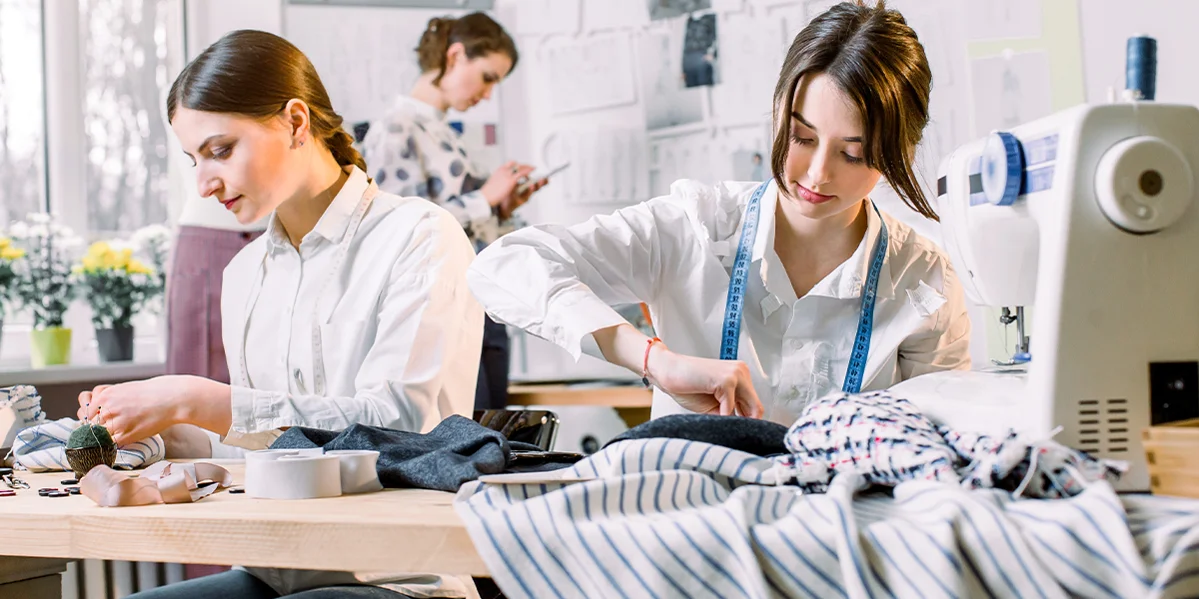
There is a quiet shift happening in sewing rooms across the country. More people are moving away from fast fashion and returning to the simple satisfaction of making something with their own hands, and that change is not only about cost. It is also about fit, comfort, and the feeling that comes from wearing something that reflects personal taste. In that space, cotton jersey knit fabric keeps earning attention because it gives makers a soft, flexible starting point for garments they can actually live in.
We also see many sewists return again and again to jersey knit cotton fabric because it offers a practical balance of stretch, breathability, and everyday wearability. Industry research continues to show steady growth in the craft and DIY market as more consumers look for personalization and sustainability, and sewing fits that trend in a very natural way. Instead of asking only what is available to buy, more people are asking what they can make well and wear often.
Why Are More People Choosing to Make Their Own Clothing?
The answer sort of reaches past fashion and into daily life. When we make our own clothing, we gain more control over fit, fabric choice, style, and durability, and that can mean the pieces end up staying in rotation longer than impulse buys. We also get the chance to slow down and work with intention, which feels rare in a world that seems built around speed and convenience.
That is one reason sewing keeps pulling in both beginners and seasoned makers. It gives us a way to solve real problems, whether we want a better-fitting top, a more comfortable lounge item, or a garment that feels more like us. The process can be practical, but it also comes with feeling, because each finished piece reflects time, care, and decision-making.
What Makes Certain Fabrics Inspire More Creativity?
Not every fabric invites the same kind of confidence. Some materials ask for advanced skills before a project feels doable, while others give enough flexibility to learn, experiment, and still end up with something that actually works. This is where knit fabrics often stand out, especially when we want comfort but we do not want to give up structure.
One reason sewists often choose cotton jersey knit fabric is that it works across a lot of project types. It can support casual tops, dresses, sleepwear, children’s clothing, and relaxed everyday pieces without feeling too rigid or too delicate. The softness helps the fabric wear well, and the stretch gives the garment room to move with the body. That combination makes the sewing feel less intimidating, and the end result more wearable.
How Does Fabric Choice Influence Confidence?
Many sewing projects do not fail because the maker lacks talent. They struggle because the fabric does not match the project, the skill level, or the intended use. When we choose materials that fit the goal from the start, the entire process becomes easier to trust, and that confidence often shows up in the finished garment.
| Project Goal | Fabric Quality to Prioritize |
| Everyday T-shirts | Softness and stretch |
| Children’s Clothing | Comfort and durability |
| Lounge Wear | Breathability |
| Casual Dresses | Drape and flexibility |
| Layering Pieces | Recovery and shape retention |
This is one reason jersey knit cotton fabric remains such a dependable choice in sewing communities. It supports a wide range of projects while helping makers build practical skills in cutting, stitching, and garment construction. When the fabric behaves in a predictable way, we can focus more on learning and less on fighting the material.
Are We Looking at Fabric the Wrong Way?
Lots of people think of fabric as a simple supply, but honestly, we end up using it more like the starting point, sort of the beginning of a decision. Every project has a few basic questions. Will this fabric move the way we actually need it to, or does it fight us? Will it survive after repeated wear, and still look right? Will it feel comfortable enough that someone will actually want to reach for it again?
Once we start asking those questions, fabric selection slips into the creative process instead of staying a separate chore. We stop chasing trends just because they exist and we start choosing materials that match real life. That change matters because it helps us build wardrobes and projects that feel useful, personal, and yes, also longer lasting.
What Can Sewing Teach Beyond Garment Construction?
The lessons from sewing go way past the sewing machine too. Sewing teaches patience because progress shows up one small step at a time. It teaches resilience, because if something goes wrong, it usually asks for adjustment, not instant defeat. And it trains decision-making, since every project comes with choices about fabric, fit, finish, and function.
But if we had to name the biggest lesson, it would be ownership. When you spend hours making something with your own hands, you understand its value in a deeper, steadier way, and that understanding tends to reshape how you think about clothing and consumption. You get more careful about what you buy, more intentional about what you keep, and more thoughtful about what you create next.
Why Do Learning Communities Matter So Much?
Many people begin sewing on their own, often with a pattern, a video, or a book nearby. Those tools help, but learning usually grows faster when we can ask questions, get feedback, and see how other makers solve the same problems. That is why creative communities matter so much, especially for people who are still building confidence.
In our experience, the most helpful learning spaces do more than explain technique. They give makers room to practice, make mistakes, and keep going. They also create a sense of shared progress, which can turn sewing from a private hobby into a skill that keeps growing over time. When people learn together, they often stay motivated longer and feel more capable when a project becomes challenging.
Looking Ahead: What Does the Future of Sewing Really Look Like?
The future of sewing may not be defined by trends alone. It may be shaped by people who want a closer connection to what they wear, how they learn, and what they make with their own hands. As interest in handmade clothing continues to grow, fabrics such as cotton jersey knit fabric and jersey knit cotton fabric will likely remain important because they bridge comfort, creativity, and everyday usefulness.
For makers who want to keep building skill while exploring fabric choices and garment construction, Zoelee’s Fabrics & Sewing School fits naturally into that path as a place where learning and practical sewing support come together.
FAQs
- What is jersey knit fabric commonly used for?
Jersey knit fabric is commonly used for T-shirts, dresses, sleepwear, children’s clothing, and other casual garments because it feels soft and moves easily with the body.
- Is cotton jersey fabric a good choice for beginners?
Yes, cotton jersey fabric is often a good choice for beginners because it is comfortable to wear, versatile, and useful for many simple garment projects.
- How is jersey knit different from woven fabric?
Jersey knit fabric is made with a knitting process rather than a weaving process, which gives it natural stretch and a softer feel than many woven fabrics.
- Why do sewists like cotton-based knit fabrics?
Sewists often like cotton-based knit fabrics because they offer breathability, comfort, and enough stretch to work well in everyday clothing.
- How can sewing classes help improve skills?
Sewing classes can help improve skills by offering guided instruction, hands-on practice, and feedback that makes it easier to understand fabric, fit, and construction.