

In a time where rapid fashion cycles and synthetic textiles kind of rule everything, there’s this quiet revolution going on at cutting tables and also in sewing spaces every single day. More and more people seem to turn away from mass-produced clothing and toward making their own, more one-of-a-kind apparel. When you work with classic dress sewing patterns, it feels like the makers are getting their power back- control over their personal style, how the fabric behaves, and that exact fit that just doesn’t happen when you’re guessing sizes from a rack.
Honestly, this shift is like a return to thoughtful creation, and also longer-lasting quality. Getting the right tools, specialized thread, and hardware usually begins at a trusted sewing machine store, where new makers can test equipment made for different materials and techniques. At our school, we see up close how pairing tactile fabrics with step-by-step direction gives people this real sense of satisfaction, like building a functional wardrobe from zero and actually seeing it come together.
Why is handmade clothing making a comeback today?
Fast fashion offered convenience, but it also brought common sizing problems and bigger environmental worries. Recent market info shows the global home sewing and handicraft sector has grown by more than 5 percent each year as people look for sustainable options. In our everyday conversations with students and garment makers, we notice a few main drivers behind it:
- Sustainable wardrobe decisions that cut down textile waste and reduce dependence on low-cost synthetic garments.
- Full control over fabric composition, from breathable natural cottons to specialized stretch knits.
- A fit that’s customized to real body proportions, not those generic rack sizes.
- Stress relief, like a therapeutic pause from digital screens, through hands-on making.
How do paper designs transform into wearable garments?
Every custom garment starts with a blueprint, kind of. When we show students how to work with dress sewing patterns, we sort of walk them through turning flat shapes into comfy three-dimensional forms. Learning grainlines, seam allowances, and the pattern markings is important if you want a clean, precise fit. Beginners usually begin with easy silhouettes like A-line skirts, then later they move toward tailored trousers or structured jackets. When they adjust the pattern to match their own proportions, it reduces that off-the-rack annoyance, and it also lets them tweak things like necklines, waistbands, and design accents without second-guessing themselves too much.
What role does proper equipment play in garment construction?
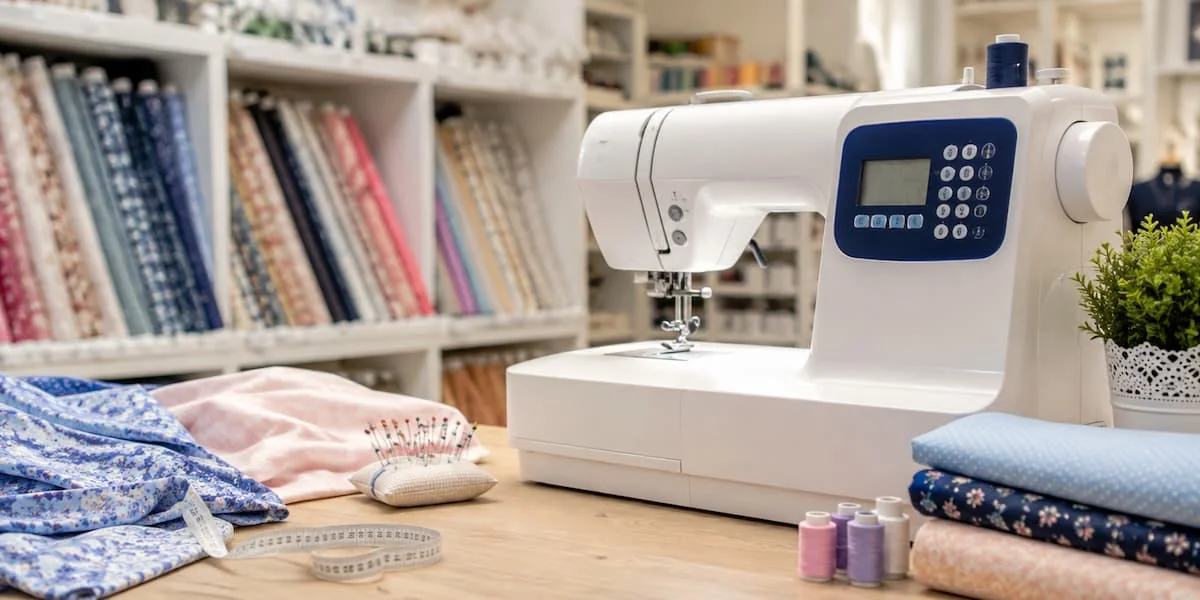
Good tools basically shift the whole process from frustrating to rewarding. Even though hand stitching still matters, machine stitching gives the strength and accuracy you need for everyday use. Going to a specialty sewing machine store can really help, because makers can choose equipment that fits their project intent, whether that’s delicate silk, stretch Lycra, or heavy pleather. A lot of today’s machines come with features like automatic tension adjustment, plus buttonhole settings, which makes assembly feel smoother.
Here is a quick guide we developed to match common fabrics with the appropriate machine setup:
| Fabric Category | Recommended Needle Type | Stitch Setting | Key Project Consideration |
| Woven Cotton & Linen | Universal (80/12) | Straight Stitch (2.5mm) | Simple handling, ideal for beginner patterns |
| Activewear & Knitwear | Ballpoint or Stretch (75/11) | Narrow Zig-Zag or Stretch Stitch | Preserves fabric elasticity across seams |
| Silk & Delicate Synthetics | Microtex / Sharp (60/8 to 70/10) | Straight Stitch with Fine Thread | Prevents fabric puckering and snagged fibers |
| Heavy Pleather & Denim | Leather or Heavy Duty (90/14 – 100/16) | Longer Straight Stitch (3.0mm+) | Requires specialized presser feet for smooth feeding |
How do tactile skills build long-term creative confidence?
Learning to sew is kind of an incremental journey; it grows confidence through practice and repetition, not instantly. When you push yourself through full project cycles, you learn a whole lot about patience, accurate measurement, and sort of “structural thinking” too. Getting comfortable with foundational moves, like putting in zippers, applying bias tape, and tidying up raw edges, that alone feels like unlocking endless creative doors. As your skills keep leveling up, many makers end up exploring narrower directions, like swimwear, activewear, or even delicate French lace heirlooms. Over time, this hands-on capability changes the way a person relates to clothing, so mending and wardrobe care turns into an empowering creative practice instead of just a chore.
How can aspiring makers find the right educational path?
Learning to sew is kind of an incremental journey; it grows confidence through practice and repetition, not instantly. When you push yourself through full project cycles, you learn a whole lot about patience, accurate measurement, and sort of “structural thinking” too. Getting comfortable with foundational moves, like putting in zippers, applying bias tape, and tidying up raw edges, that alone feels like unlocking endless creative doors. As your skills keep leveling up, many makers end up exploring narrower directions, like swimwear, activewear, or even delicate French lace heirlooms. Over time, this hands-on capability changes the way a person relates to clothing, so mending and wardrobe care turns into an empowering creative practice instead of just a chore.
Conclusion
Our journey in custom garment creation bridges historical craftsmanship with modern self-expression. Starting with classic dress sewing patterns and sourcing reliable equipment from a local sewing machine store gives makers the foundation needed to design clothes that fit both body and lifestyle. For those seeking quality materials and expert instruction, Zoelee’s Fabrics & Sewing School provides specialized fashion fabrics and comprehensive structured classes to support textile artists of all skill levels.
Frequently Asked Questions
- What are the best fabrics for beginner sewing projects?
Woven cottons, linen, and chambray are best because they press easily and do not slip.
- How do I choose the correct pattern size for my body?
Measure your bust, waist, and hips, then compare your exact numbers to the pattern chart.
- Can I learn to sew garments using a standard household sewing machine?
Yes, a basic home machine with straight and zig-zag stitches handles most garment projects successfully.
- How long does it take to complete a first clothing project?
A simple beginner garment like an elastic-waist skirt usually takes two to four total hours.
- What is the advantage of taking in-person sewing classes over online tutorials?
Teachers provide immediate feedback, help adjust custom pattern fits, and troubleshoot equipment issues directly on-site.